01-Statistical Modeling

SDS 291

Prof. Baumer

September 8, 2025

Statistical modeling

What is a model?

Simplified description of a system or process, built with a specific purpose in mind

Our Goal in SDS 291

Build mathematical descriptions that help us understand our data and the process that generated it

What is a mathematical model?

  • Input(s): \(x\), Output: \(y\)
  • Maps one or more inputs to an output: \(y = f(x)\)

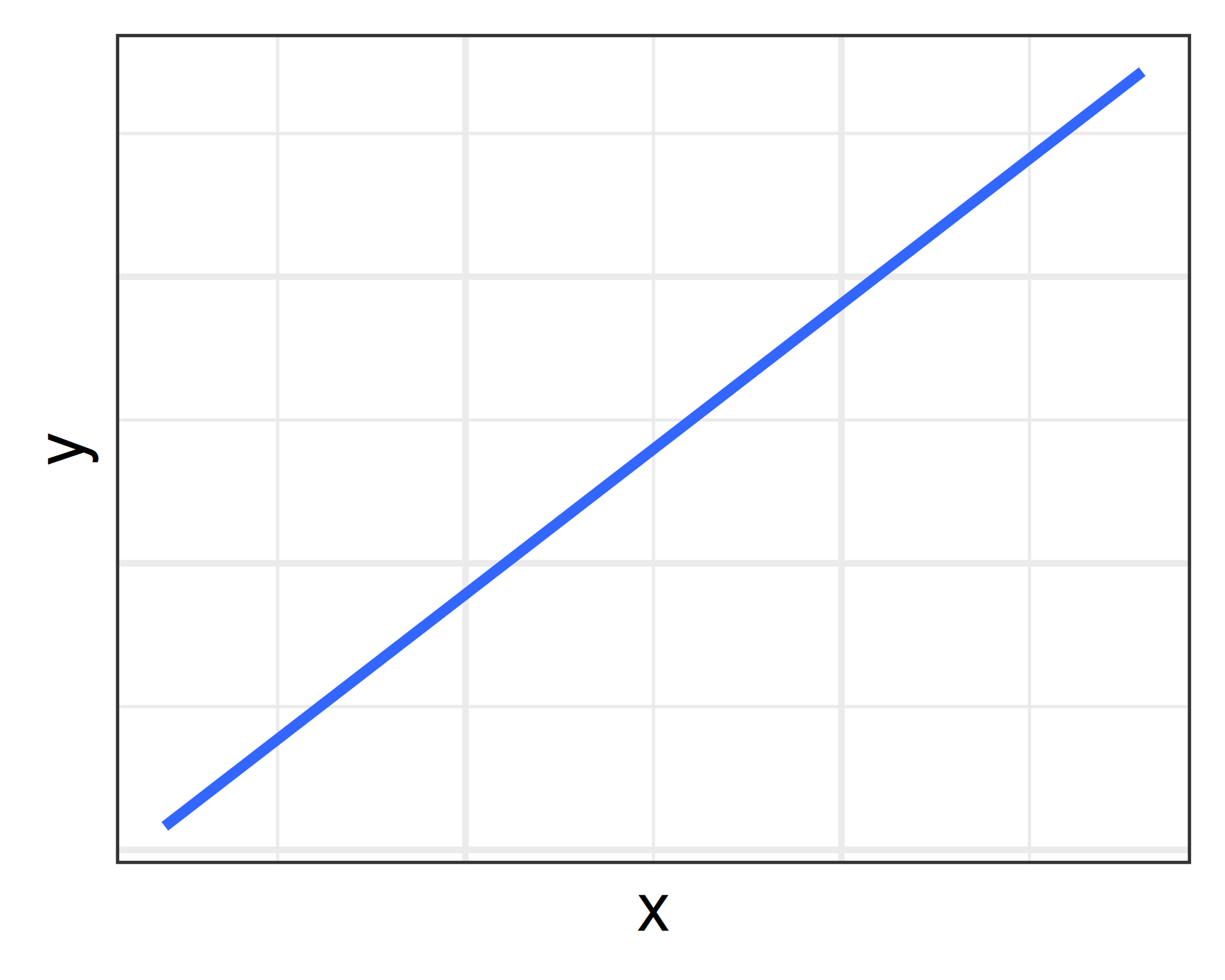
\[y = mx + b\]
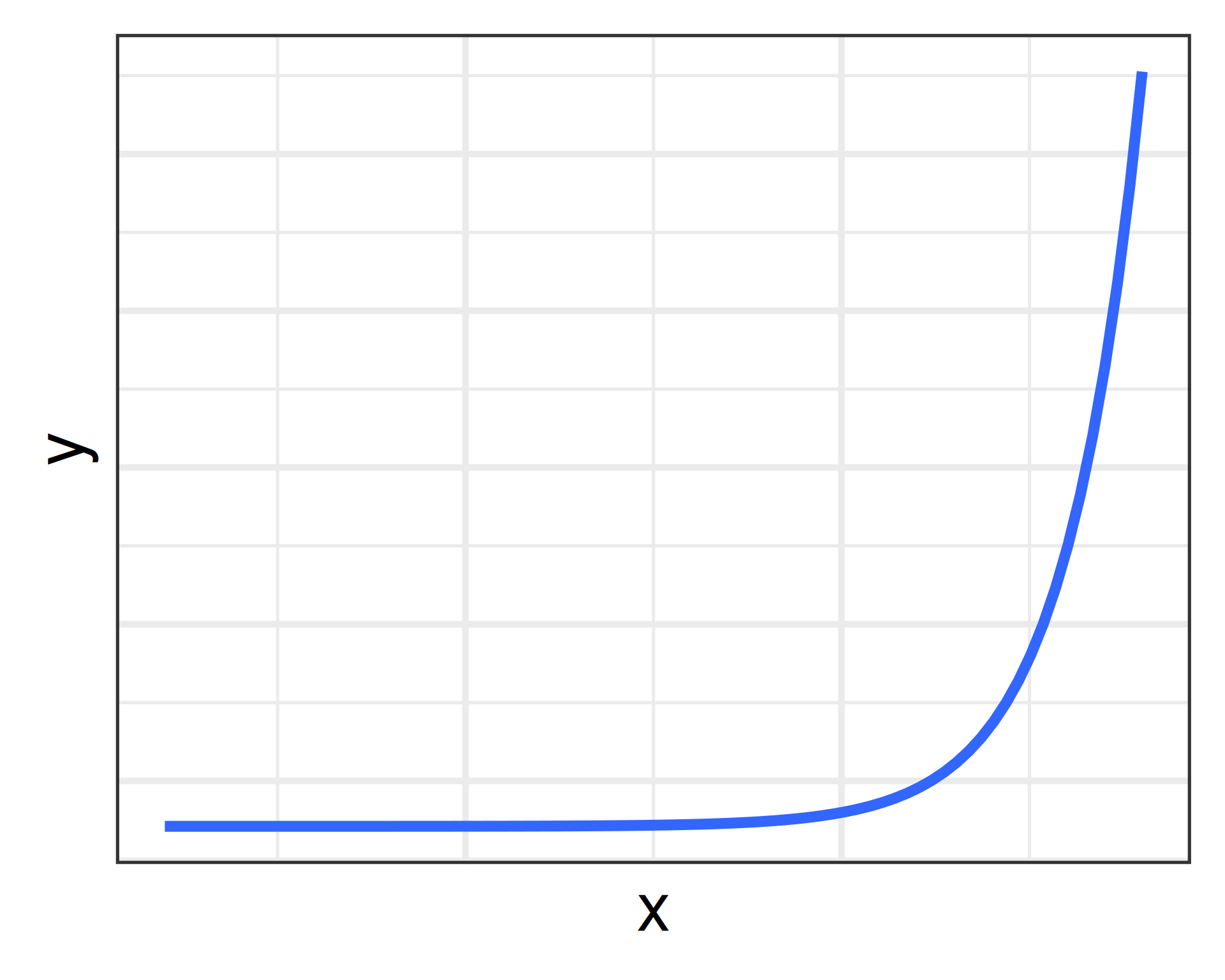
\[y = \frac{e^x}{1 + e^{x}}\]
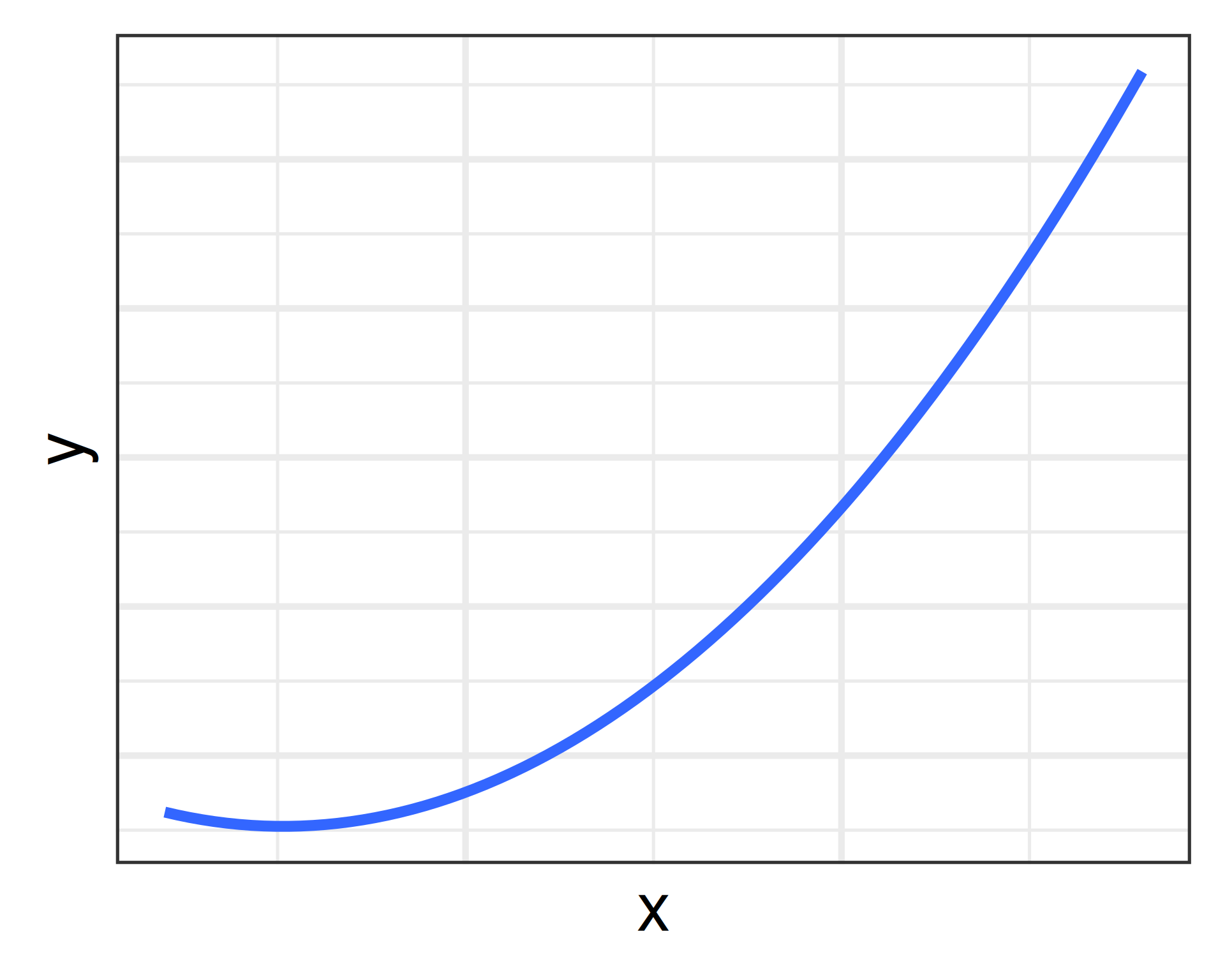
\[y = a + bx + cx^2\]

Note

Deterministic \(\implies\) the same input always produces the same output!

Limitions of mathematical models

  • With data, there is always noise, randomness, or error
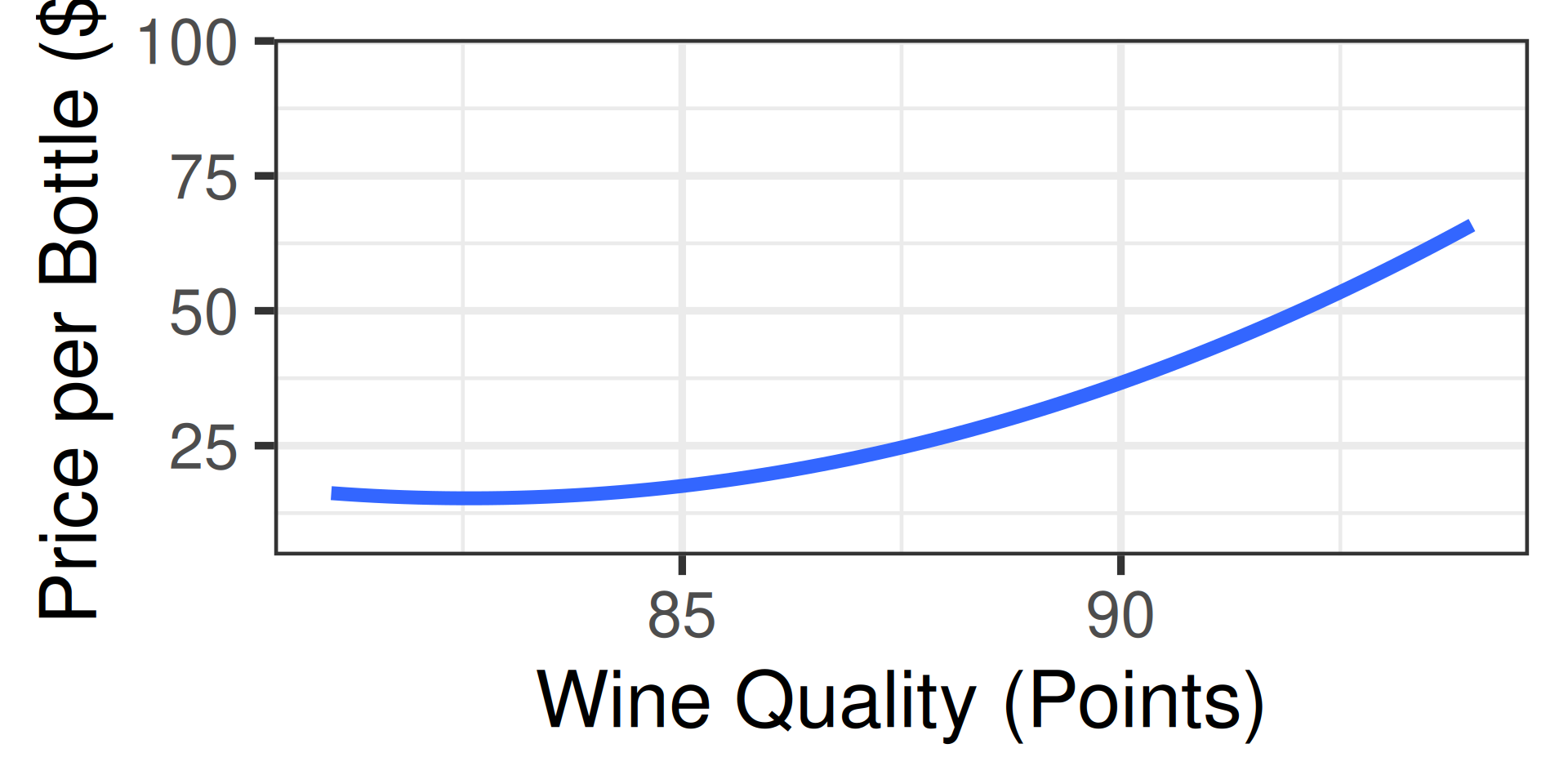
What is a statistical model?

  • Data is a function of a mathematical model plus random error \[ \underbrace{y}_{\text{response}} = \underbrace{f}_{\text{model}}( \underbrace{x}_{\text{explanatory}}) + \underbrace{\epsilon}_{\text{error}} \]

  • \(y\): outcome, response variable, dependent variable

  • \(x\): explanatory variable, predictor, independent variable, covariate

  • \(\epsilon\): random error (noise)

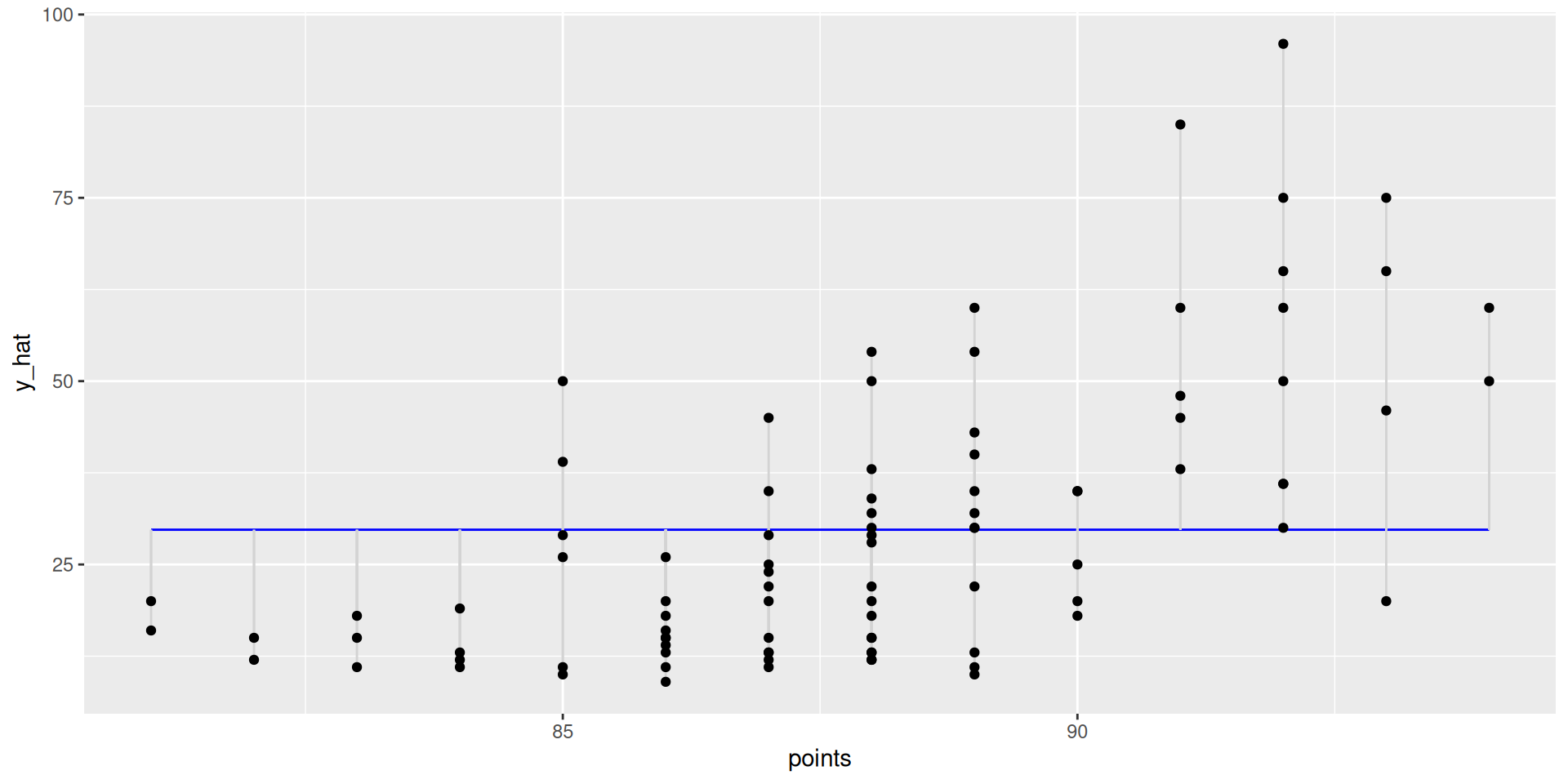
Basic: null model

\[y_i = \beta_0 + \epsilon_i\]

Better(?): linear model
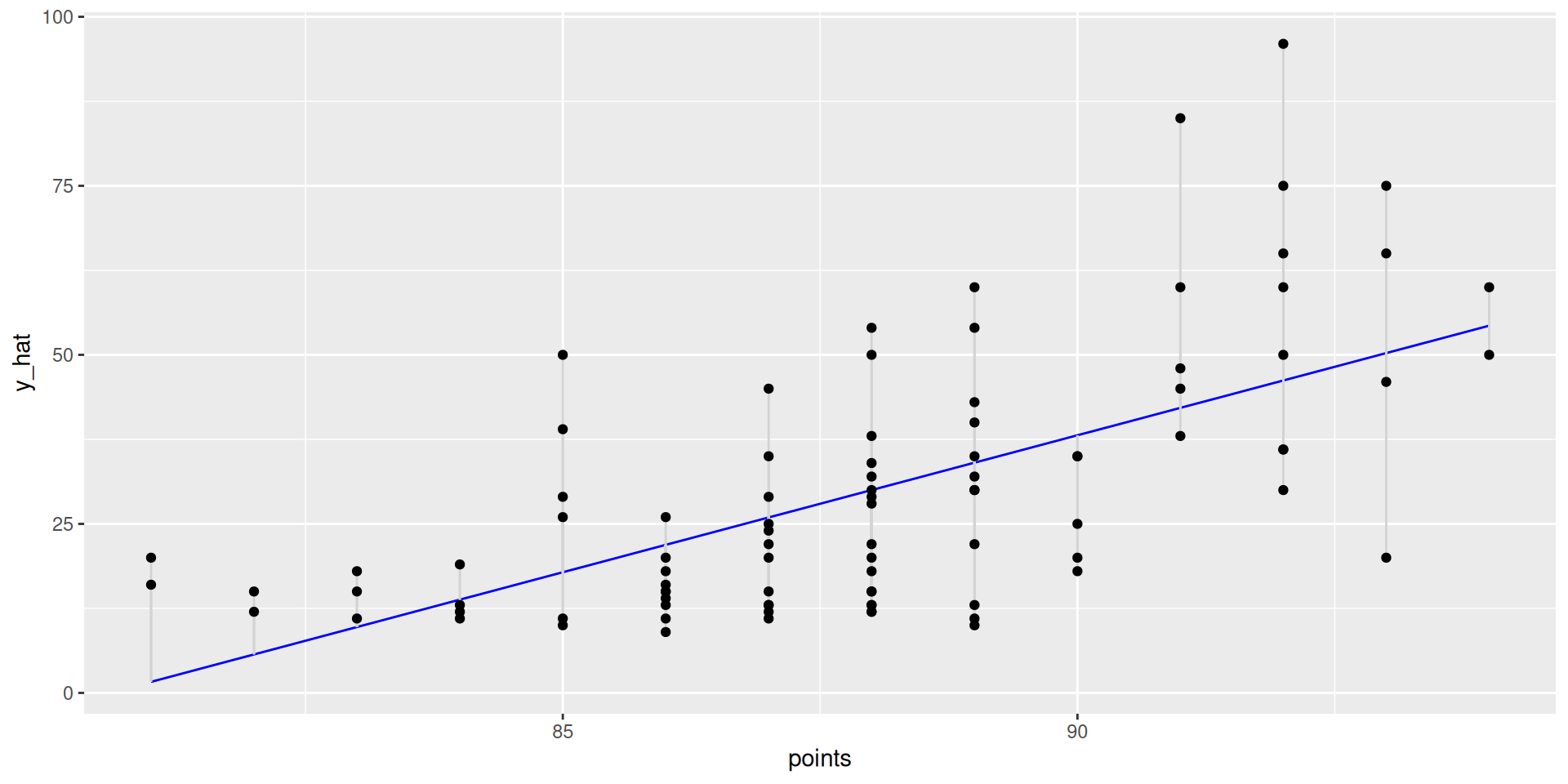
\[y_i = \beta_0 + \beta_1 x_i + \epsilon_i\]

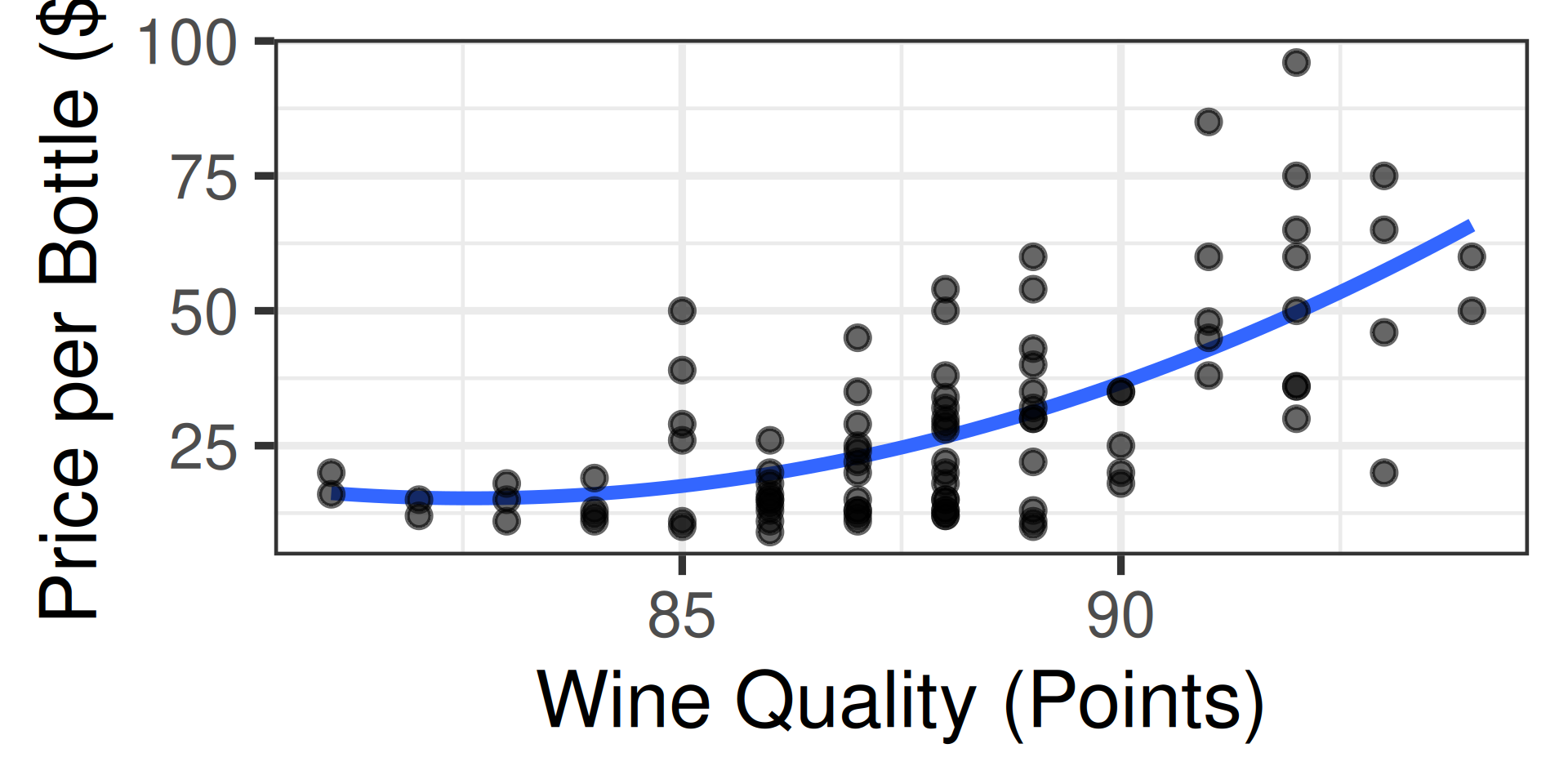
Better(?): quadratic model
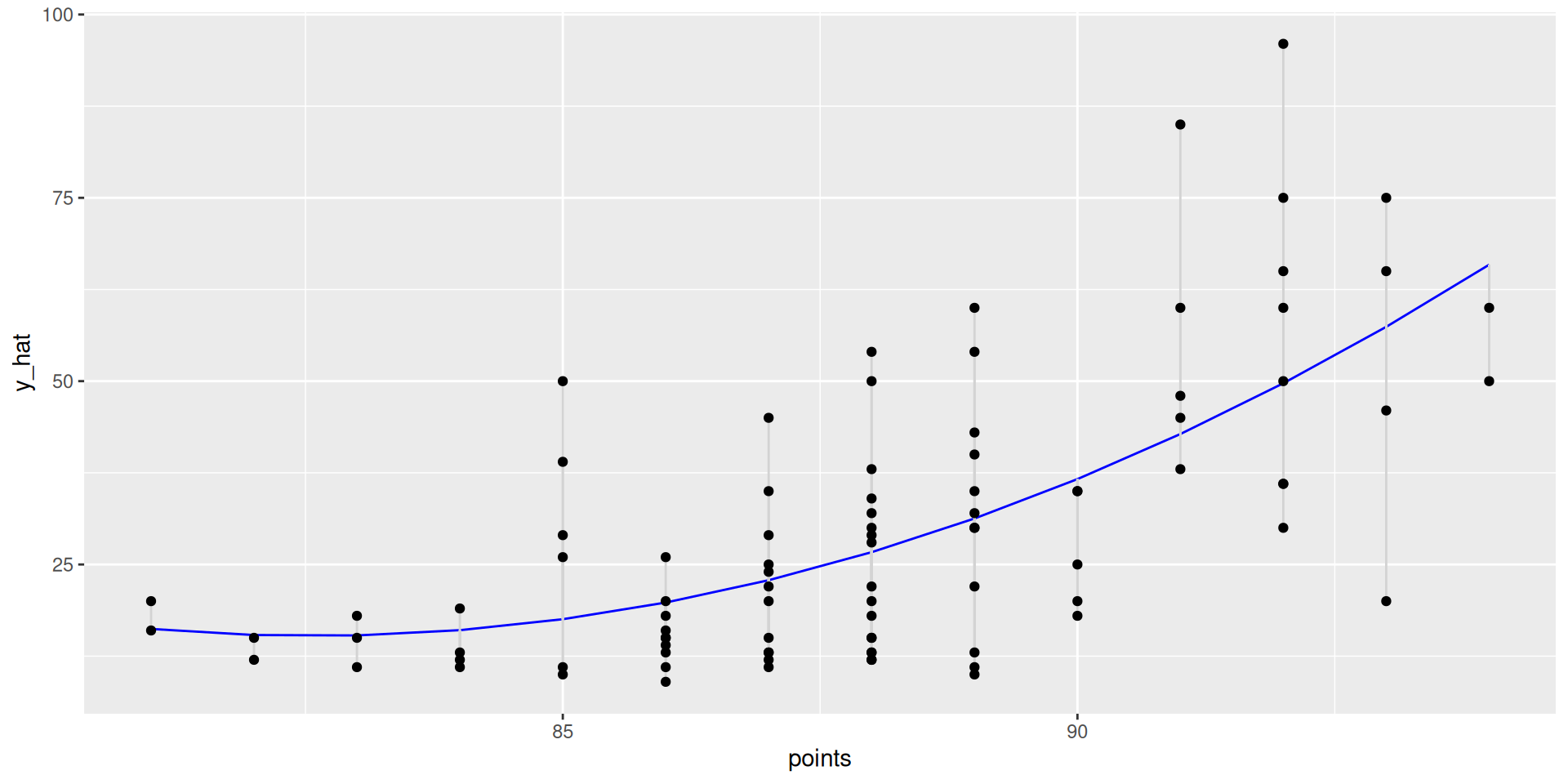
\[y_i = \beta_0 + \beta_1 x_i + \epsilon_i\]

What specific purposes do statistical models have?

  • What goal (or goals) do you think the individuals who made this model had in mind?
  • More generally, why do we build statistical models? What should our goals be?

Goals of statistical model building

  1. Summarize a pattern observed in the data
  2. Classify or predict values of an outcome of interest
  3. Quantify and evaluate the strength of relationship between the explanatory variable(s) and an outcome

How might statistical modeling be misused?

Think back to the same example you selected earlier.

  • How could this model (or a similar model) be misused?