Generative AI and Data Analysis: implications for data science curriculum and pedagogy
AALAC 2026 Workshop
Benjamin S. Baumer 
Nicholas J. Horton
Sarah Supp
Status
Approved for funding
Workshop host
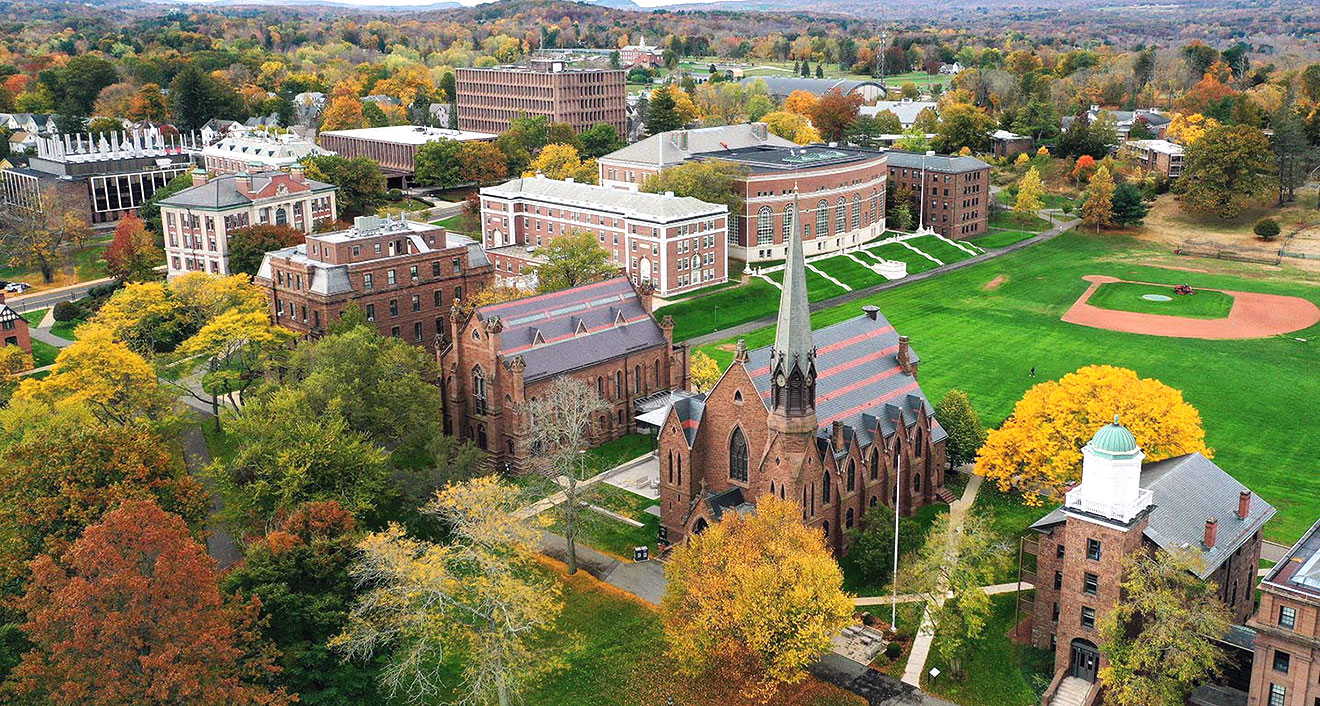
- Hazel Quantitative Analysis Center
Wesleyan University
July 19-22, 2026
Proposal
The release of ChatGPT on November 30th, 2022 was met by a global viral response, with excitement about the potential benefits of artificial intelligence (AI) for all aspects of our lives matched by equally significant concerns about its impact. Since then, development and refinement of generative AI (GenAI) and related technologies have accelerated, as have their adoption and integration. Increasingly these novel tools are deployed in the analysis of the data we generate to aid evidence-based decision making.
These changes are also disrupting our educational structures and practices. While some believe that GenAI tools can help facilitate a student-centric approach characterized by individualized adaptive learning, others fear the “cognitive atrophy” that may result from over-reliance on AI tools. On our liberal arts campuses attitudes towards this new disruption include a range of responses from “It is not for me” and “I wish it would go away,” to extensive use of it for scholarly work and course preparation but not allowing student use, to unchecked integration. This fluid, quickly changing, and somewhat anarchic situation (with student users often the more conversant group) has led to calls for institutional responses and updates to teaching guidelines and practices. We believe that future adaptations and changes to pedagogy must be informed by an expert discipline-specific examination of what and how we teach. While there are clearly impacts of AI that could be similar across many disciplines, deeper impact on content and pedagogy may be quite different based upon the specific context and learning outcomes.
GenAI is inherently a data science product. Our students are positioned to be both the (current and future) consumers of these new tools as well as (future) producers of them. As such, how we integrate these tools into our curriculum and pedagogy is a paramount consideration. In the broadly defined fields of data analytics and data science, we need to balance teaching fundamentals while at the same time enabling our students to fluently use emerging tools to extract insights from data. The inappropriate use of AI tools at the introductory level may leave students unable to use and interpret more sophisticated techniques and models at the upper levels. At the same time, we cannot ignore the ubiquity of these tools. Therefore, we need to re-examine the content and pedagogy of our courses and find appropriate ways to adapt to it.
The goal of the workshop will be to examine current practices, outline appropriate AI integration and develop guidelines for data analysis courses applicable to a variety of levels and disciplines. We envision a participatory process working with the program committee to plan the workshop that would include 1) pre-workshop activities (e.g., virtual meetings), 2) collection of information on student perspectives and their GenAI use, 3) specific goals for the workshop sessions, and 4) follow-up information dissemination and assessment.
Read more
For more information, please visit our About page.